
What is the Census?
Every five years, the Australian Bureau of Statistics (ABS) counts every person and household in Australia. This is called the Census of Population and Housing.
The next Census is on Tuesday 11 August 2026.
The Census form asks questions about your age, country of birth, cultural background, living situation, work and education. This year, the Census will also ask about unpaid and voluntary work you have undertaken in the last 12 months.
In the Census, every answer matters to help us understand what Australia (and Victoria) needs now and into the future. Data is used to inform decisions about transport, schools, health care, infrastructure and business. It also helps plan local services for individuals, families and communities.
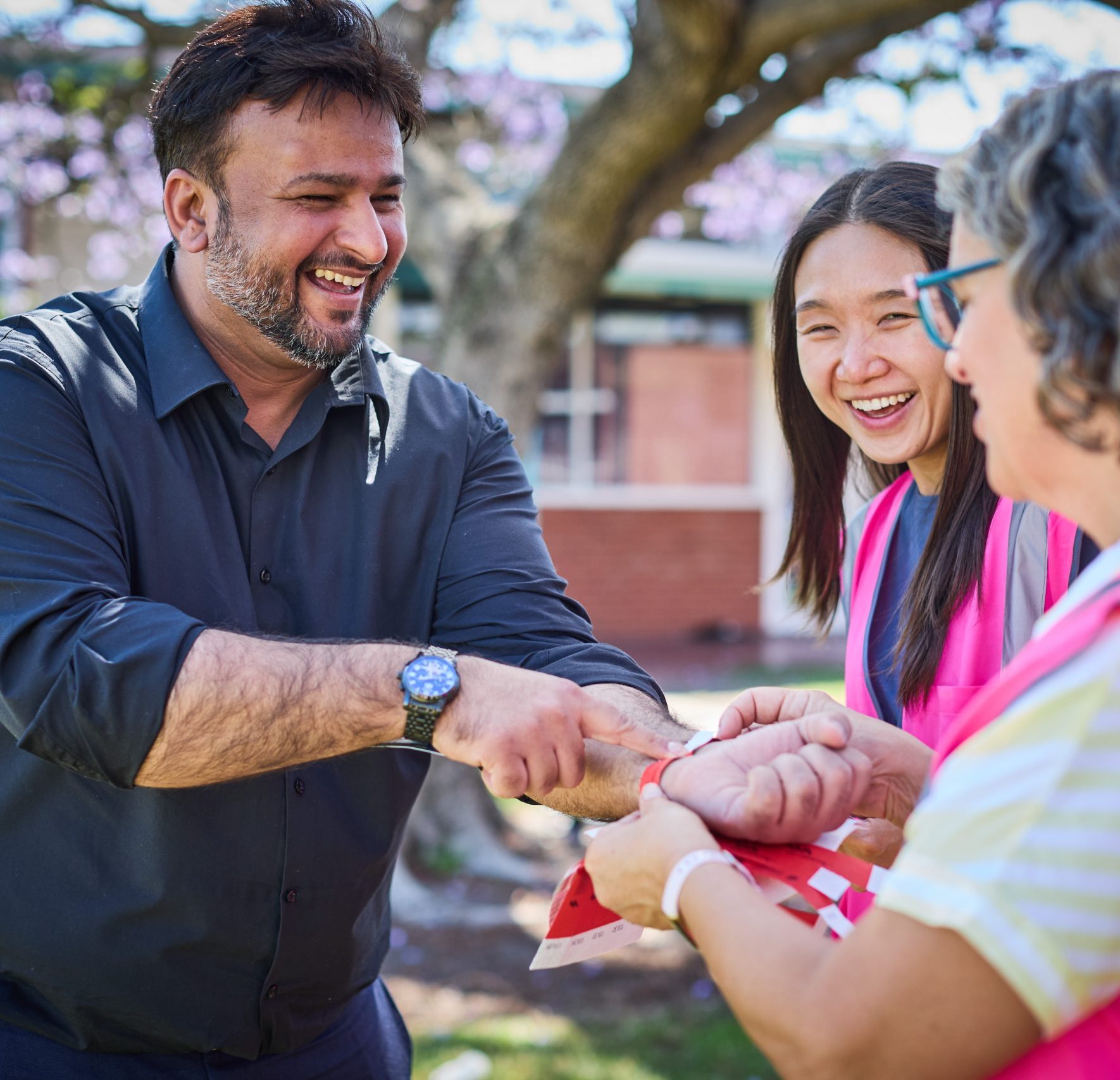
Information for volunteers
In this year’s Census, you will be asked about any unpaid voluntary work for an organisation or group. This could include sporting teams, youth groups, charities, schools or religious organisations.
The question (#53 in the Census Household form) that you will be asked is:
In the last twelve months did the person spend any time doing unpaid voluntary work for an organisation or group?
How to answer this question
Include voluntary help given in the form of time, service or skills to a club, organisation or association. To answer this question, you are required to mark the box with a dash (—) to show ‘Yes, you did do unpaid voluntary work’ or ‘No, you did not do unpaid voluntary work’.
- helping at organised events and with sports organisations
- helping with organised school events and activities
- helping in churches, hospitals, aged care homes and charities
- school students taking part in student government in their schools
- other kinds of volunteer work (for example, emergency services, or serving on a committee for a club or community group).
- work for a family business or any other paid employment
- work done to receive a government payment
- work done as part of completing study
- work done because of a court or community service order.
Why it’s important to include your volunteering in the Census
In the volunteering sector, data talks. In the Census, your volunteering data is invaluable, so that we can understand the true number of volunteers in Victoria.
This information means that, as a peak body, we can advocate on your behalf for better funding, resources and recognition. It also helps the government understand volunteer impact which will directly influence policy and funding decisions and ultimately ensure investment goes where Victorian communities need it most.
Information for volunteer leaders
Volunteer leaders, managers, coordinators, supervisors
If your job involves managing, coordinating, leading, training or supervising volunteers, this year is the first time you can use the official title Volunteer Coordinator as your occupation in the Census.
- This title is the officially recognised title for volunteer leaders and matches the ABS data.
- It is the only title the ABS recognises for volunteer leaders.
The question (#42 in the Census Household form) that you will be asked is:
In the main job held last week, what was the person’s occupation?
How to answer this question
To answer this question, you will be required to write or type into the boxes provided using capital letters as follows: VOLUNTEER COORDINATOR.
Even if your job title is different, we encourage you to use the title “Volunteer Coordinator” so that we can accurately count how many people do this important job in Victoria.
Why it’s important to use the “Volunteer Coordinator” job title
Using the one official job title Volunteer Coordinator will ensure we can accurately report on the number of people who are employed in this kind of job across the state.
This information means that, as a peak body, we can advocate on your behalf for better funding, resources and recognition.
It also helps the government understand your impact, which will directly influence policy and funding decisions and ultimately ensure investment goes where Victorian communities need it most.